Category: Ethnic & Traditional Wear

  • Traditional Summer Looks: Comfortable & Chic

    Traditional Summer Looks: Comfortable & Chic

    Can you stay stylish and cool as the summer season approaches? Embracing classic summer styles with a modern twist is all about prioritizing comfort without compromising on fashion.

    Summer fashion is not just about aesthetics; it’s also about feeling at ease in what you’re wearing. Whether you’re heading to the beach, a summer wedding, or just enjoying a casual day out, the right outfit can make all the difference.

    By focusing on the fabrics you choose and how you style your outfits, you can create a look that’s both chic and comfortable. Let’s explore how to make the most of traditional summer looks.

    Key Takeaways

    • Embracing classic summer styles with a modern twist
    • Prioritizing comfort in summer fashion
    • Choosing the right fabrics for summer outfits
    • Styling traditional summer looks for a chic appearance
    • Staying stylish and cool throughout the summer season

    The Essence of Summer Style: Balancing Tradition and Comfort

    As the temperature rises, the art of balancing traditional style with comfort becomes a summer staple. Traditional clothing has a timeless appeal that never goes out of style, but it can sometimes be at odds with the need to stay cool and comfortable in the heat.

    Understanding the essence of summer style involves delving into why traditional outfits remain relevant in modern summers. According to fashion experts, traditional clothing is not just about aesthetics; it’s also about cultural heritage and personal identity. As Coco Chanel once said, “A girl should be two things: who and what she wants.” In the context of summer fashion, this means embracing traditional styles while adapting them to modern comfort needs.

    Why Traditional Outfits Remain Relevant in Modern Summers

    Traditional outfits continue to be relevant because they offer a connection to our cultural roots and provide a sense of continuity in an ever-changing world. They are often designed with specific fabrics and silhouettes that are conducive to the climate of their origin, making them suitable for summer wear.

    “Fashion is not something that exists in dresses only. Fashion is in the sky, in the street, fashion has to do with ideas, the way we live, what is happening.” –

    Coco Chanel

    Key Elements of Summer Comfort: Breathability, Movement, and Fit

    When it comes to summer comfort, three key elements come into play: breathability, movement, and fit. Breathable fabrics like cotton and linen allow for airflow, keeping you cool. Clothing that allows for ease of movement is also essential, as it prevents restriction and discomfort. Finally, a well-fitted outfit ensures that you’re not overdressed or underdressed for the occasion.

    • Breathable fabrics for cooling
    • Clothing that allows for ease of movement
    • A well-fitted outfit for comfort and style

    Cultural Influences on Traditional Summer Fashion

    Cultural influences play a significant role in shaping traditional summer fashion. Different cultures have their unique styles and fabrics that are suited to their climate. For example, in tropical regions, lightweight and light-colored clothing is preferred to reflect the sun’s rays and keep cool.

    By understanding these cultural influences, you can incorporate diverse traditional elements into your summer wardrobe, creating a rich tapestry of styles to draw from.

    Comfortable Traditional Outfits for Summer: A Complete Guide

    Summer is the perfect time to refresh your wardrobe with comfortable, traditional outfits that don’t compromise on style. Creating a summer wardrobe that is both comfortable and stylish involves several key considerations, from the fabrics you choose to the silhouettes and colors you opt for.

    Selecting the Right Fabrics: Cotton, Linen, and Silk Options

    The choice of fabric is crucial for comfortable summer outfits. Cotton, linen, and silk are excellent options due to their breathability and natural cooling properties. Cotton is a popular choice for casual wear, while linen is renowned for its exceptional breathability and lightness. Silk, on the other hand, adds a touch of luxury and is perfect for more formal occasions.

    When selecting fabrics, it’s also important to consider the weave and thickness. A loose weave allows for better airflow, keeping you cooler. Lighter colors and fabrics also reflect sunlight, adding to the cooling effect.
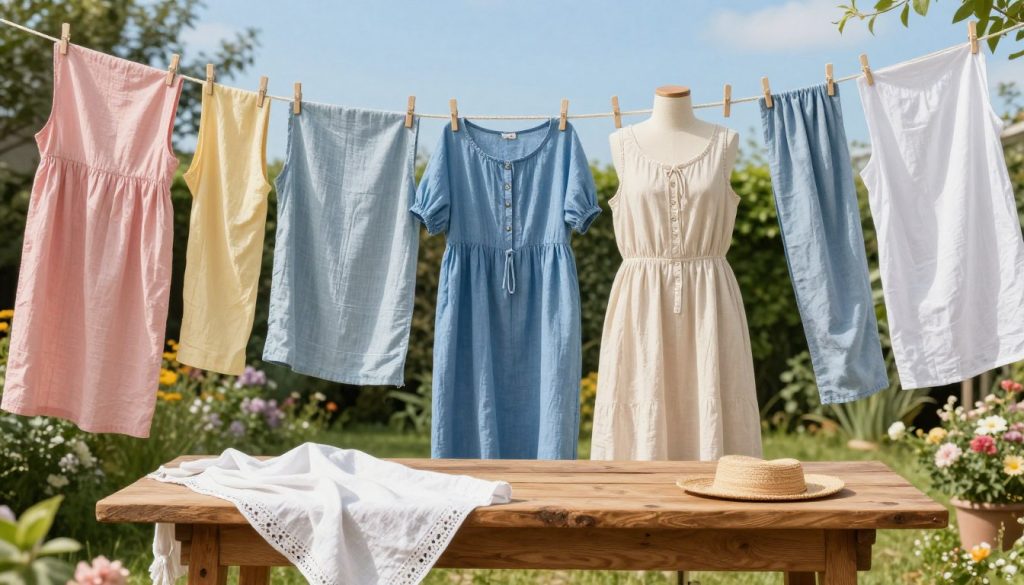
    Vibrant and inviting scene showcasing a variety of traditional summer fabrics, including lightweight cotton, airy linen, and soft chambray, draped elegantly over a rustic wooden table. In the foreground, soft pastel-colored garments hang gently from a simple clothesline, capturing the essence of summer warmth. The middle ground features a model dressed in a flowing, modest summer dress made of breathable fabric, surrounded by touches of nature, like blooming flowers and greenery. The background includes a sunlit garden, with a clear blue sky providing a cheerful atmosphere. The soft lighting enhances the textures and colors of the fabrics, creating a cozy and relaxed summer vibe. The image exudes comfort and style, perfect for illustrating traditional summer looks.

    Traditional Silhouettes That Keep You Cool

    Traditional silhouettes can be both stylish and comfortable when chosen correctly. Loose-fitting dresses and shirts are not only comfortable but also allow for good airflow, keeping you cool. Maxi dresses, for instance, are a great option as they cover the skin while allowing for airflow around the body.

    For men, loose-fitting linen shirts and cotton pants are traditional and comfortable choices. These silhouettes are designed to keep you cool while maintaining a stylish, traditional look.

    How to Choose Colors That Reflect Summer Traditions

    Colors play a significant role in summer fashion, with traditional summer colors often being light and bright. Pastel shades, whites, and soft pastels are classic summer colors that reflect the season’s light and airy feel. These colors not only keep you cool by reflecting sunlight but also fit well with traditional summer aesthetics.

    Earth tones and natural colors are also great choices, as they complement the summer environment and add to the relaxed, traditional summer vibe.

    How to Style Traditional Summer Pieces for Any Occasion

    With the right styling, traditional summer pieces can be effortlessly transformed to suit any event or gathering. Whether you’re heading to a casual daytime outing or a formal evening event, your traditional summer attire can be adapted to fit the occasion perfectly.

    Creating Casual Daytime Looks: Step-by-Step Guide

    For a casual daytime look, start with a breathable, cotton or linen outfit. Consider a traditional sundress or a pair of linen pants with a cotton top. Add a pair of sandals or espadrilles to keep your feet cool and comfortable.

    Accessories can make or break an outfit. For a casual look, opt for simple jewelry like a wooden or shell necklace. Add a wide-brimmed hat to protect your face and neck from the sun.

    Adapting Traditional Attire for Professional Settings

    To adapt traditional summer pieces for a professional setting, focus on tailoring and quality fabrics. A well-fitted linen blazer over a cotton shirt can create a polished look. Pair this with tailored trousers or a pencil skirt for a professional finish.

    Keep jewelry understated yet elegant. A simple watch and a pair of stud earrings can add a touch of sophistication to your outfit.

    Elevating Your Look for Evening Events and Celebrations

    For evening events, you can elevate your traditional summer pieces with a few stylish tweaks. Add a statement piece of jewelry, like a bold cocktail ring or a sparkly necklace, to instantly dress up your outfit.

    Consider swapping sandals for a pair of heeled sandals or dressy flats. A lightweight shawl or a tailored jacket can also add a sophisticated touch to your traditional summer attire.

    Mastering the Art of Traditional Summer Accessories

    When it comes to traditional summer fashion, accessories are the key to transforming a simple outfit into a stunning ensemble. Accessories can elevate your style, adding a touch of elegance and sophistication to your traditional summer looks.
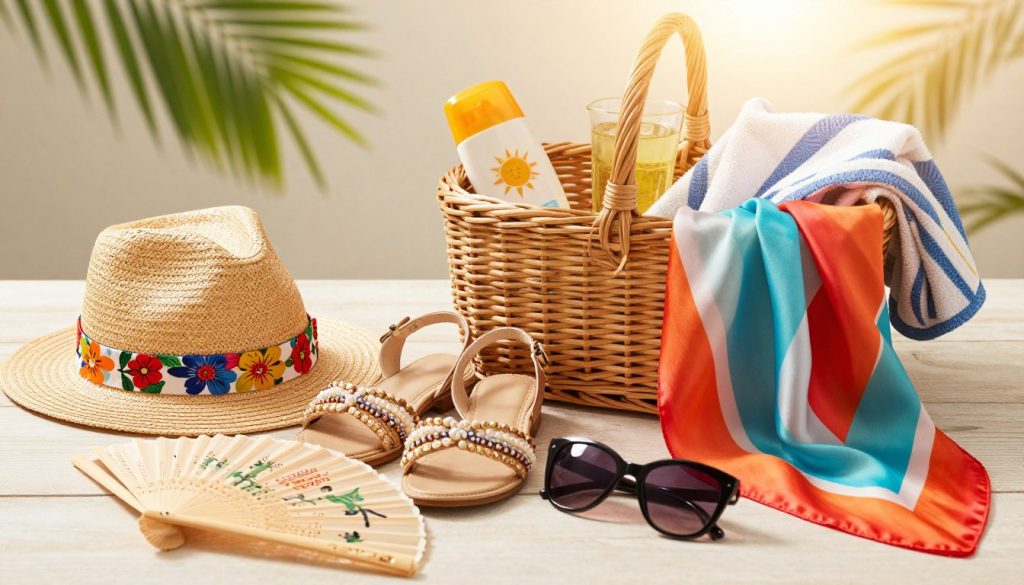
    A beautifully arranged display of traditional summer accessories, featuring a woven straw hat adorned with colorful floral bands, elegant beaded sandals, and a vibrant silk scarf draped artistically. In the foreground, a delicate hand-held fan with intricate designs is partially open next to a pair of oversized sunglasses. The middle section showcases a wicker basket filled with sunblock, a refreshing beverage, and a folded beach towel. In the background, soft sunlight filters through gentle palm leaves, creating a warm, inviting glow. The composition exudes a relaxing, chic atmosphere, perfectly embodying the essence of traditional summer aesthetics. Shot with a warm focus lens, emphasizing textures and vibrant colors, inviting the viewer to feel the summer warmth.

    Selecting and Pairing Statement Jewelry

    Statement jewelry can instantly elevate your traditional summer outfit. Opt for pieces that reflect the season’s spirit, such as jewelry featuring floral motifs or natural elements. Pairing statement jewelry with traditional designs requires balance; for instance, if you’re wearing a heavily embroidered outfit, a simpler necklace or earrings would complement it well. As Coco Chanel once said, “Before you leave the house, look in the mirror and take one thing off.” This advice is particularly relevant when accessorizing to avoid overwhelming the outfit.

    Choosing the Perfect Footwear

    Footwear is another crucial aspect of traditional summer style. The right shoes can enhance both the comfort and aesthetic of your outfit. For traditional summer looks, consider comfortable sandals or espadrilles that are both stylish and practical. When choosing footwear, ensure it complements the color palette and style of your outfit. For example, earthy tones often pair well with traditional summer attire.

    Incorporating Functional Accessories

    Functional accessories like hats, scarves, and bags are not only practical but can also add a stylish touch to your traditional summer outfits. A wide-brimmed hat can protect your face from the sun while adding a chic element to your look. Scarves can be worn in various ways, from around the neck to as a hair accessory, offering versatility. When it comes to bags, opt for lightweight, natural fabrics that can carry your essentials without weighing you down.

    By mastering the art of accessorizing, you can enhance your traditional summer style, making it both comfortable and chic. Remember, the key is to balance your accessories with your outfit, ensuring that each piece complements the others.

    Conclusion: Embracing Timeless Summer Style with Modern Comfort

    As we wrap up our exploration of traditional summer looks, it’s clear that achieving a balance between timeless style and modern comfort is key to enjoying the summer season to the fullest. By embracing traditional clothing with a focus on comfort, you can create a summer wardrobe that is both stylish and comfortable.

    Selecting the right fabrics, silhouettes, and colors, and mastering the art of accessorizing are crucial elements in creating comfortable traditional outfits for summer. Whether you’re looking to update your wardrobe or simply seeking tips on how to style your existing pieces, we encourage you to explore the comfort and elegance of traditional summer fashion.

    By incorporating these elements, you can enjoy a stylish and comfortable summer that reflects your personal style. So, go ahead and make the most of your summer style by embracing the perfect blend of tradition and modern comfort.
    FAQ

    What are the best fabrics for traditional summer outfits?

    The best fabrics for traditional summer outfits are cotton, linen, and silk. These natural fibers are breathable, lightweight, and help keep you cool in the heat.

    How can I style traditional summer pieces for a professional setting?

    To style traditional summer pieces for a professional setting, consider pairing lightweight fabrics with tailored silhouettes and classic accessories. For example, a linen blouse with a pair of cotton trousers and a statement piece of jewelry can create a polished look.

    What are some traditional silhouettes that are comfortable for summer?

    Traditional silhouettes that are comfortable for summer include loose-fitting dresses, shirts, and pants. These styles allow for airflow and movement, keeping you cool and comfortable.

    How do I choose colors that reflect summer traditions?

    To choose colors that reflect summer traditions, consider pastel shades, whites, and other light colors that evoke a sense of summer. You can also draw inspiration from cultural influences and traditional summer fashion.

    What are some tips for accessorizing traditional summer outfits?

    When accessorizing traditional summer outfits, consider statement jewelry, comfortable footwear, and functional accessories like hats, scarves, and bags. These can add a touch of elegance and sophistication to your look.

    Can I wear traditional summer outfits for evening events?

    Yes, you can wear traditional summer outfits for evening events. To elevate your look, consider adding luxurious fabrics, statement accessories, or a bold lip color. This can help you transition your traditional summer outfit from day to night.

    How do cultural influences shape traditional summer fashion?

    Cultural influences shape traditional summer fashion by introducing new styles, fabrics, and accessories. For example, traditional African prints or Asian-inspired motifs can add a unique touch to your summer outfits.
  • Discover the Latest Ethnic Wear Designs for Women

    Discover the Latest Ethnic Wear Designs for Women

    Are you ready to elevate your wardrobe with the most stunning ethnic fashion trends? The world of ethnic wear is constantly evolving, and the latest designs are a testament to the rich cultural heritage and craftsmanship.

    The latest ethnic wear designs for women are not just about aesthetics; they’re about making a statement. With intricate patterns, vibrant colors, and elegant silhouettes, these designs are sure to turn heads.

    Key Takeaways

    • Explore the most trending ethnic wear styles
    • Understand the charm of ethnic fashion
    • Learn how to style ethnic wear for different occasions
    • Get insights into the latest ethnic fashion trends
    • Discover how to incorporate ethnic wear into your daily wardrobe

    The Charm and Versatility of Ethnic Fashion

    With its deep-rooted history and evolving designs, ethnic fashion remains a beloved choice for women seeking both cultural connection and stylish expression. Ethnic wear is not just about traditional attire; it’s about embracing a heritage that is rich in color, texture, and emotion.

    Traditional Roots of Ethnic Wear

    Ethnic wear has its roots in traditional Indian clothing, where intricate designs, vibrant colors, and symbolic motifs tell stories of cultural significance. These elements have been passed down through generations, making ethnic wear a tangible connection to one’s heritage. The traditional attire is characterized by its unique fabrics, such as silk and cotton, and embellishments like embroidery and zari work.

    Why Ethnic Fashion Is Gaining Popularity in the US

    Ethnic fashion is gaining popularity in the US due to its versatility and the growing interest in cultural diversity. American women are drawn to the elegance and sophistication that ethnic wear offers, making it perfect for various occasions, from formal events to casual gatherings. The adaptability of ethnic fashion allows it to be styled in numerous ways, catering to different tastes and preferences.

    Occasions Perfect for Ethnic Attire

    Ethnic attire is perfect for a range of occasions, including weddings, festivals, and cultural events. It’s also becoming increasingly popular for everyday wear, as women incorporate ethnic elements into their daily fashion. Whether it’s a traditional saree or a modern salwar kameez, ethnic wear offers a unique and stylish option for any occasion.

    Exploring the Latest Ethnic Wear Designs for Women

    As fashion evolves, ethnic wear for women continues to captivate audiences with its rich diversity and elegance. The latest designs are not just about preserving traditional heritage but also about innovating and pushing boundaries.

    Trending Saree Styles and Innovative Drapes

    Sarees remain a staple in ethnic wear, with designers continually reinventing this classic garment. Trending saree styles now include innovative drapes and unconventional fabrics, making them appealing to a new generation.

    Contemporary blouse designs are also playing a crucial role in modernizing the saree look. From intricate embroidery to bold prints, blouses are being designed to make a statement.

    Contemporary Blouse Designs

    The art of blouse designing has seen a significant transformation, with designers experimenting with various cuts, fabrics, and embellishments. A well-designed blouse can elevate the entire saree look, adding a touch of sophistication.

    Pre-Stitched and Ready-to-Wear Options

    For those who prefer convenience without compromising on style, pre-stitched and ready-to-wear sarees are gaining popularity. These options allow women to enjoy ethnic wear without the hassle of draping.

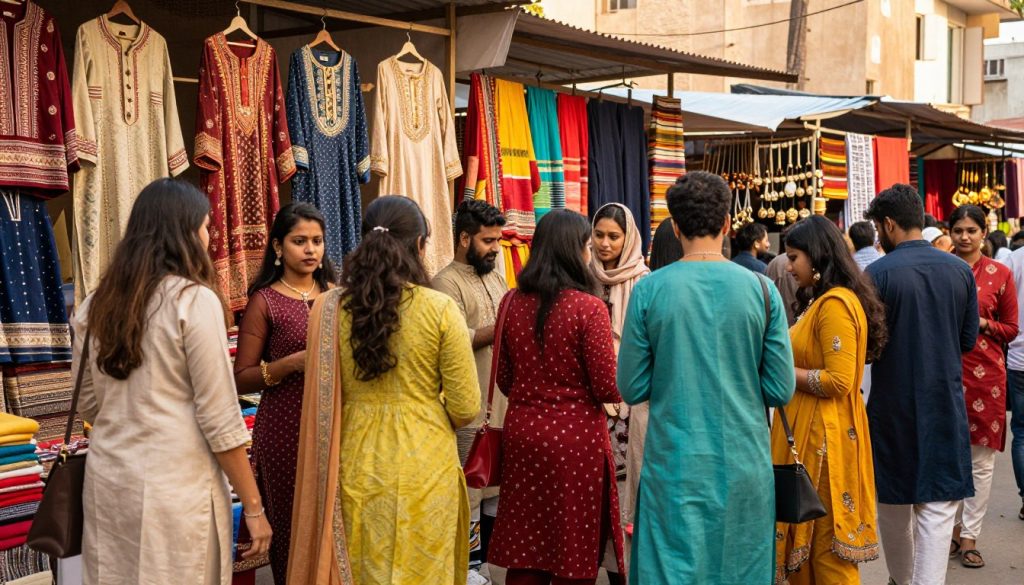
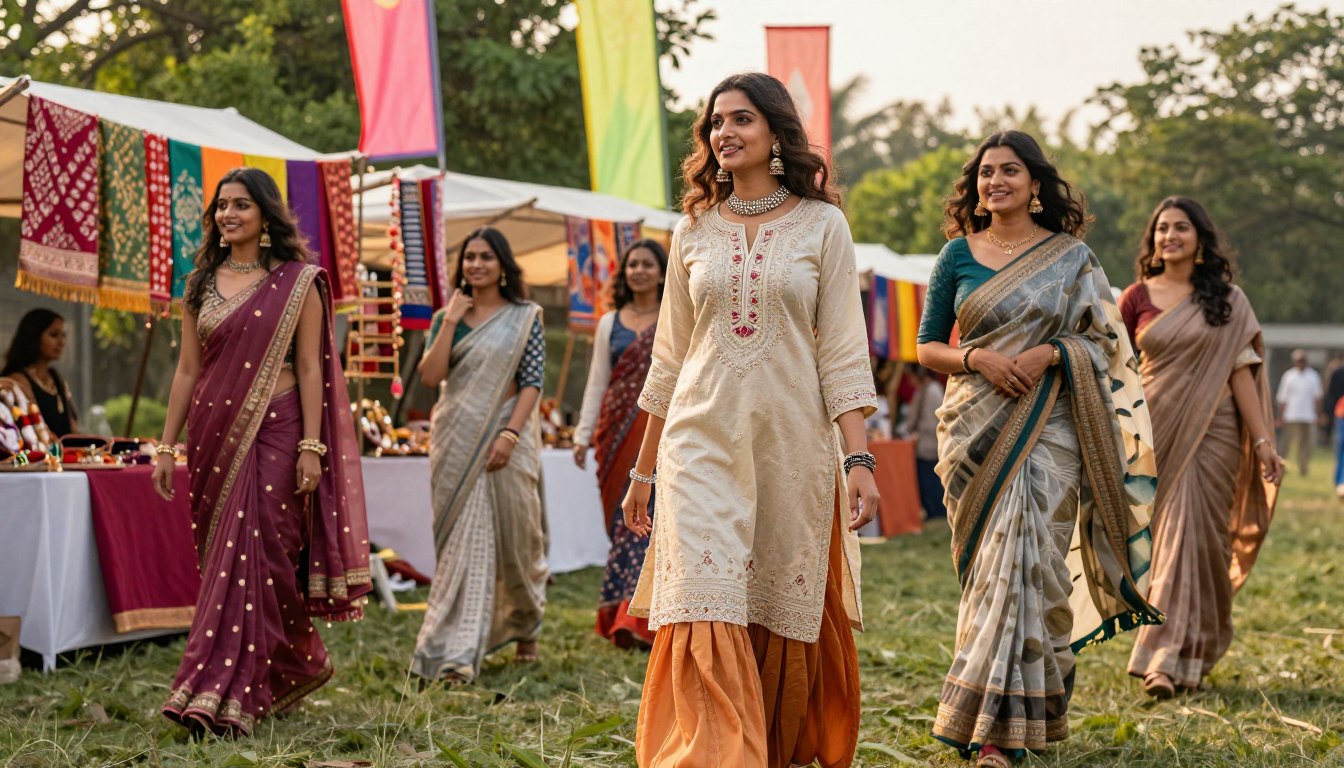
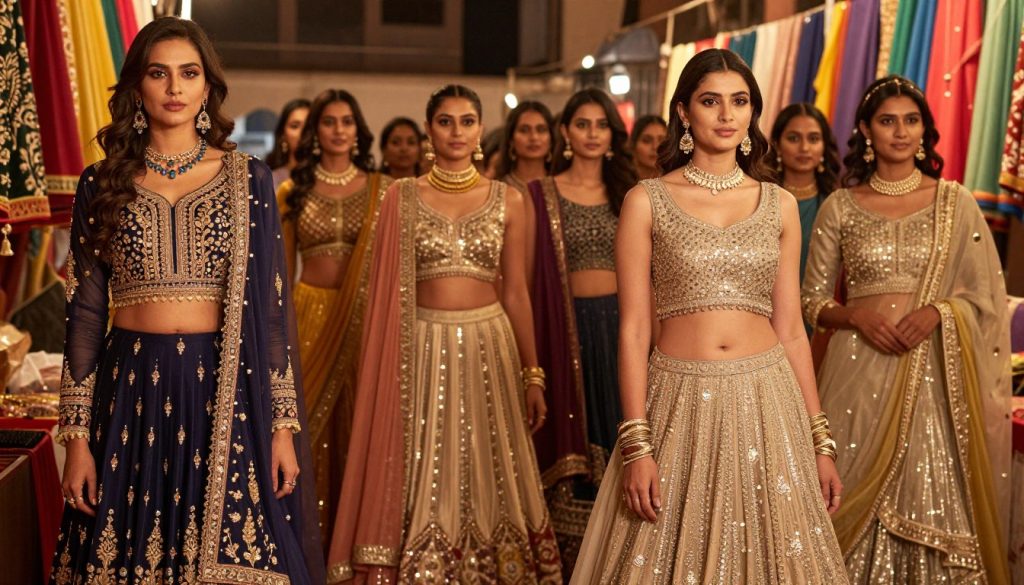
    A vibrant display of the latest ethnic wear designs for women, featuring a diverse group of elegantly dressed models showcasing an array of outfits. In the foreground, a model wears a beautifully embroidered Anarkali suit with intricate patterns in rich jewel tones. Beside her, another model dons a modern lehenga choli with contemporary cuts, adorned with delicate mirror work. In the middle ground, several additional models showcase various styles, including elegant sarees with innovative draping techniques and fashionable kurtas. The background features a softly illuminated, traditional market setting with colorful fabrics hanging, enhancing the cultural ambiance. The lighting is warm and inviting, casting a gentle glow on the garments, while the camera angle captures the elegance of the designs and the joyful expressions of the models, reflecting a festive and celebratory mood.

    Modern Salwar Kameez and Kurta Variations

    The salwar kameez and kurta have also seen a modern makeover, with designers introducing new silhouettes and styles. Modern salwar kameez now comes with a variety of bottom styles, from traditional salwars to palazzo and dhoti style bottoms.

    Palazzo and Dhoti Style Bottoms

    Palazzo and dhoti style bottoms have added a new dimension to the traditional salwar kameez. These styles offer comfort and elegance, making them perfect for various occasions.

    Asymmetrical and Layered Kurtas

    Asymmetrical and layered kurtas are trending, offering a fresh take on the traditional kurta. These designs are not only stylish but also versatile, suitable for both casual and formal events.

    Fusion Lehengas and Designer Anarkalis

    Fusion lehengas and designer anarkalis are making waves in the ethnic wear scene. These garments combine traditional elements with modern twists, creating unique and captivating looks.

    Indo-Western Fusion Pieces for American Lifestyle

    The fusion of Indian and Western styles is becoming increasingly popular, especially among women in the United States. Indo-Western fusion pieces offer a blend of cultural heritage and contemporary fashion, making them suitable for various social and cultural events.

    How to Choose the Perfect Ethnic Wear for Your Body Type

    The key to pulling off ethnic wear lies in understanding your body type and selecting styles that complement it. Ethnic fashion is incredibly diverse, and what works for one body type may not work for another. By following a few simple steps, you can find the perfect ethnic wear that makes you look and feel great.

    Step 1: Identify Your Body Shape

    Understanding your body shape is crucial in selecting ethnic wear that flatters your figure. The main body types are hourglass, pear, apple, and rectangle.

    Measurements and Proportions Guide

    Take your measurements to determine your body shape. For example, if you have a larger bust and hips with a narrower waist, you’re likely an hourglass. Use a flexible measuring tape to measure around your bust, waist, and hips.

    Step 2: Select Flattering Silhouettes

    Different silhouettes suit different body types. For instance, A-line dresses and skirts are great for pear-shaped bodies as they balance the hips and thighs.

    Best Styles for Hourglass, Pear, Apple, and Rectangle Shapes

    Body Type Recommended Style Avoid
    Hourglass Fitted waists, A-line dresses Too loose or too tight clothing
    Pear A-line dresses, flared pants Tight-fitting pants, pencil skirts
    Apple Empire waist dresses, flowy tops Clingy fabrics around the midsection
    Rectangle Peplum tops, flared dresses Too straight or boxy clothing

    Step 3: Choose Complementary Colors and Patterns

    Colors and patterns can greatly affect how ethnic wear looks on you. Dark colors can slim, while bright colors can draw attention to your best features.

    Tip: If you have a cool skin tone, look for colors with a blue or pink undertone. If you have a warm skin tone, opt for colors with a yellow or golden undertone.

    Step 4: Consider Fabric Weight and Drape

    The fabric of your ethnic wear can make a big difference in how it looks and feels. Lightweight fabrics drape well and are comfortable, while heavier fabrics can add structure.

    By following these steps, you can find ethnic wear that not only fits well but also makes you feel confident and stylish. Remember, the key is to experiment and find what works best for your body type.

    Styling Tips to Elevate Your Ethnic Look

    With the right styling tips, you can transform your ethnic wear into a stunning ensemble that turns heads. Ethnic fashion is not just about the clothes; it’s about how you style them to reflect your personality and flair.

    Creating a Complete Ensemble with Accessories

    Accessories play a crucial role in elevating your ethnic look. The right accessories can make or break an outfit, adding a touch of elegance or a pop of color.

    Statement Jewelry Selection

    Choosing the right jewelry can significantly enhance your ethnic wear. Opt for statement pieces that complement the colors and style of your outfit. For instance, a bold necklace can add drama to a simple salwar kameez, while delicate earrings can enhance the elegance of a saree.

    Handbags and Clutches

    A well-chosen handbag or clutch can complete your ethnic look. Consider the occasion and the style of your outfit when selecting a bag. For formal events, a sleek clutch in a metallic finish can be a great choice, while for casual gatherings, a colorful potli bag can add a playful touch.

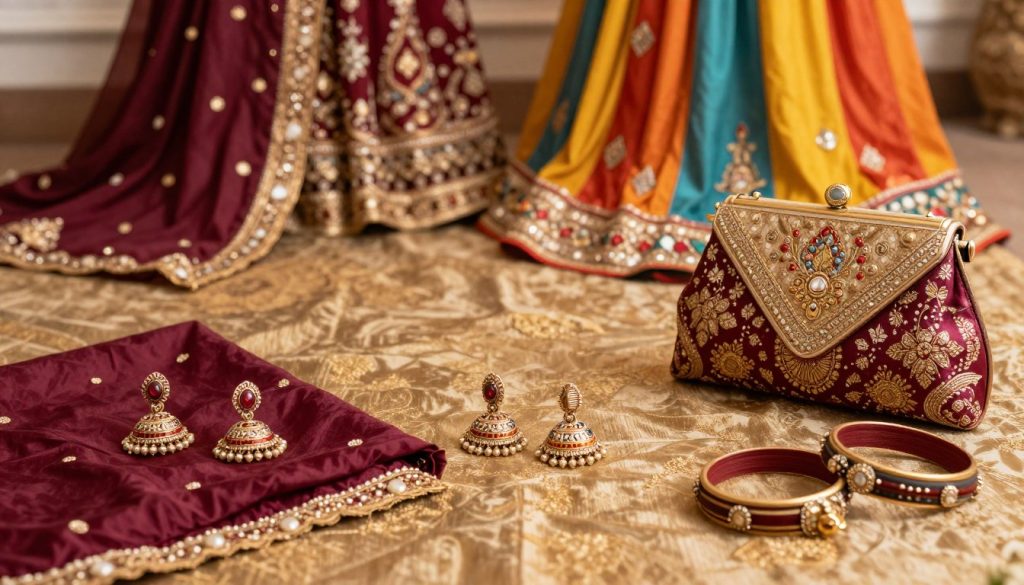
    A beautifully styled flat lay featuring an array of ethnic wear accessories, including intricate jhumka earrings, vibrant dupattas, a silk clutch decorated with traditional motifs, and exquisite bangles of various designs. The foreground showcases these accessories artfully arranged on a textured fabric backdrop in rich hues like deep maroon and gold. In the middle ground, subtly blurred, are hints of elegant ethnic garments like a stunning salwar suit and a lehenga in vibrant colors, adding depth to the composition. The background consists of soft, natural lighting that enhances the richness of the fabrics, creating a warm, inviting atmosphere. The overall mood is sophisticated and festive, perfect for showcasing the elegance of ethnic fashion styling.

    Footwear Pairing Guide

    The right footwear can make or break your ethnic outfit. From traditional juttis to modern mojari sandals, the choices are vast. Pair your sarees and lehengas with embellished juttis for a traditional look, or opt for sleek mojari sandals for a more contemporary style.

    Hair and Makeup Techniques for Traditional Outfits

    Your hair and makeup can significantly impact your overall ethnic look. For traditional outfits, consider classic hairstyles like braids or buns, and complement them with subtle yet elegant makeup. Soft, earthy tones on the eyes and lips can enhance your natural beauty without overpowering your outfit.

    Mixing and Matching Separates for Multiple Looks

    One of the joys of ethnic wear is the versatility it offers. Don’t be afraid to mix and match separates to create multiple looks from a few pieces. Pair a kurta with different bottoms, or style a dupatta in various ways to create new outfits.

    By incorporating these styling tips into your wardrobe routine, you can elevate your ethnic look and make a statement at any occasion.

    Where to Find Authentic Ethnic Wear in the United States

    Authentic ethnic wear is now more accessible than ever in the United States, thanks to various online retailers and specialty boutiques. The US ethnic wear market has seen significant growth, catering to the diverse needs of consumers looking for traditional clothing.

    Trusted Online Retailers with US Shipping

    Online shopping has made it easier to access ethnic wear from anywhere in the world. Some trusted online retailers that ship to the US include:

    • Online Stores like Etsy and Amazon, which offer a wide range of ethnic wear from various sellers.
    • Specialty Websites dedicated to ethnic fashion, such as IndianWink and FabIndia, which provide high-quality, authentic clothing.

    Specialty Boutiques in Major US Cities

    For those who prefer to shop in person, specialty boutiques in major US cities are a great option. Cities like New York, Los Angeles, and Chicago have stores that specialize in ethnic wear.

    As

    “The demand for ethnic wear has led to the establishment of numerous boutiques catering to the needs of the diverse US population.”

    Seasonal Exhibitions and Cultural Events

    Seasonal exhibitions and cultural events are excellent places to find authentic ethnic wear. These events often feature local designers and artisans showcasing their latest collections.

    Budget-Friendly Options Without Compromising Quality

    Finding budget-friendly ethnic wear without compromising on quality is possible. Look for:

    • Sales and discounts offered by retailers during festive seasons.
    • Local markets and craft fairs where artisans sell their products directly.

    Sale Seasons and Discount Strategies

    To make the most of your ethnic wear shopping, keep an eye out for sale seasons and discount strategies. Many retailers offer significant discounts during major festivals and holiday seasons.

    By being aware of these opportunities, you can purchase high-quality, authentic ethnic wear at a fraction of the cost.

    Conclusion

    Ethnic wear has proven to be a versatile and charming addition to any wardrobe, offering a wide range of styles that cater to different tastes and occasions. The latest ethnic wear designs for women have evolved, blending traditional roots with modern twists to create stunning outfits.

    By exploring the trending saree styles, modern salwar kameez, and fusion lehengas, you can elevate your ethnic look and make a statement at any event. Styling tips, such as accessorizing and footwear pairing, can further enhance your overall appearance.

    With numerous online retailers and specialty boutiques available in the United States, finding authentic ethnic wear has become easier. Whether you’re looking for budget-friendly options or designer pieces, you can now incorporate the latest ethnic wear designs for women into your wardrobe and experience the beauty of ethnic fashion.

    FAQ

    What are the latest ethnic wear designs for women?

    The latest ethnic wear designs for women include trending saree styles, modern salwar kameez, fusion lehengas, and Indo-Western fusion pieces. These designs are gaining popularity in the US and can be adapted to suit different tastes and preferences.

    How do I choose the perfect ethnic wear for my body type?

    To choose the perfect ethnic wear, identify your body shape, select flattering silhouettes, choose complementary colors and patterns, and consider fabric weight and drape. This will ensure you look your best in ethnic wear.

    Where can I find authentic ethnic wear in the United States?

    You can find authentic ethnic wear in the US through trusted online retailers with US shipping, specialty boutiques in major US cities, and seasonal exhibitions and cultural events. Look for budget-friendly options and take advantage of sale seasons and discount strategies.

    How can I style my ethnic wear to elevate my look?

    To elevate your ethnic look, create a complete ensemble with accessories like statement jewelry and handbags, pair with the right footwear, and use hair and makeup techniques that complement traditional outfits. You can also mix and match separates to create multiple looks.

    What are the occasions where ethnic attire is perfect?

    Ethnic attire is perfect for traditional events, social gatherings, and daily wear. It’s versatile and can be incorporated into various occasions, making it appealing to a wide audience.

    Can I customize my ethnic wear?

    Yes, you can customize your ethnic wear by opting for pre-stitched and ready-to-wear options or working with designers to create bespoke pieces that fit your style and preferences.

    How do I care for my ethnic wear?

    To care for your ethnic wear, follow the fabric care instructions, avoid harsh chemicals, and store your garments properly to maintain their quality and longevity.
  • Discover Affordable Ethnic Clothing for Daily Life

    Discover Affordable Ethnic Clothing for Daily Life

    Are you tired of wearing the same old outfits every day? Do you wish to add a touch of cultural flair to your daily style without breaking the bank? Incorporating ethnic clothing into your wardrobe can be a great way to refresh your look.

    With the vast array of affordable ethnic wear available, you can now easily incorporate traditional elements into your daily life. From vibrant colors to intricate patterns, ethnic clothing offers a wealth of inspiration for those looking to update their wardrobe with affordable fashion.

    Key Takeaways

    • Discover how to incorporate ethnic elements into your daily wardrobe
    • Learn where to find affordable ethnic clothing
    • Understand the benefits of adding ethnic wear to your style
    • Explore tips for mixing ethnic clothing with modern pieces
    • Find out how to stay stylish on a budget with ethnic fashion

    Understanding Ethnic Wear for Everyday Use

    Incorporating ethnic elements into everyday outfits is a growing trend that celebrates cultural diversity. Ethnic wear is not just about traditional clothing; it’s about bringing a piece of cultural heritage into daily life.

    What Defines Ethnic Clothing

    Ethnic clothing is characterized by its cultural significance, traditional fabrics, and unique designs that reflect the heritage of a particular community. Traditional fabrics such as cotton, silk, and wool are often used, and the designs frequently incorporate symbolic motifs and patterns that tell stories or represent cultural values.

    The use of vibrant colors and intricate embroidery is also a hallmark of ethnic clothing, making each piece not just a garment but a work of art. Understanding these elements can help in appreciating the craftsmanship and significance of ethnic wear.

    Benefits of Incorporating Ethnic Elements in Daily Outfits

    Incorporating ethnic elements into daily outfits not only adds a touch of cultural richness but also allows for a more diverse and interesting wardrobe. It’s a way to express one’s cultural identity and personal style while supporting traditional artisans and the textile industry.

    • Adding variety to daily wear
    • Supporting traditional artisans
    • Expressing cultural identity
    • Enhancing personal style with unique ethnic elements

    By embracing ethnic wear, individuals can create a wardrobe that is not only stylish but also meaningful and connected to their cultural roots or appreciation for diverse cultures.

    Finding Affordable Ethnic Wear for Daily Use

    Ethnic fashion on a budget is achievable by exploring different shopping avenues. Incorporating ethnic wear into your daily life can be both stylish and affordable when you know where to look.

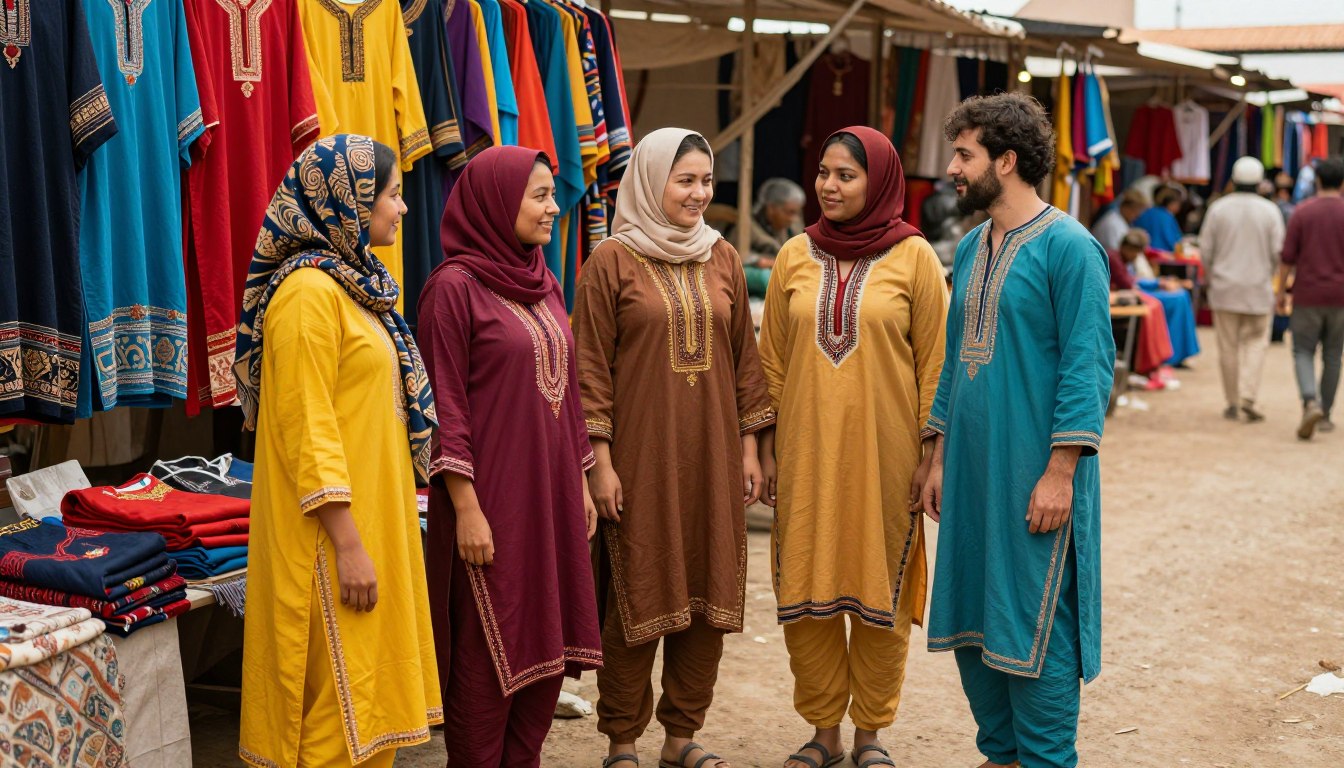
    A vibrant marketplace showcasing affordable ethnic wear for daily life. In the foreground, a diverse group of individuals in modest ethnic outfits, including colorful kurtas and traditional skirts, interact and browse various garments. The middle ground features an array of clothing displays, with intricate patterns and fabrics like cotton and silk reflecting cultural heritage. The background reveals a bustling market scene with stalls adorned with bright fabrics and handmade accessories under warm, natural lighting, creating an inviting atmosphere. Use a wide-angle lens to capture the lively environment and enhance depth, emphasizing the accessibility and charm of everyday ethnic clothing. The mood should be friendly and welcoming, reflecting a celebration of culture in daily wear.

    Online Marketplaces and Websites

    Online marketplaces and websites have revolutionized the way we shop for ethnic wear. They offer a vast array of clothing options at competitive prices, making it easier to find affordable ethnic wear without compromising on style or quality.

    Key benefits of online shopping for ethnic wear include:

    • Access to a wide range of ethnic clothing options
    • Competitive pricing and frequent discounts
    • The convenience of shopping from home

    Local Ethnic Boutiques and Stores

    Local ethnic boutiques and stores are treasure troves for unique and authentic ethnic wear. These boutiques often source their products from local artisans, ensuring that the clothing is not only stylish but also supports the local community.

    When shopping at local boutiques, look for:

    • Unique, handmade pieces that add a personal touch to your wardrobe
    • Opportunities to support local artisans and businesses
    • A personalized shopping experience

    Thrift Stores and Second-hand Options

    For those on a tight budget, thrift stores and second-hand options can be a great resource for affordable ethnic wear. With a bit of patience and a keen eye, you can find high-quality, pre-loved ethnic clothing at a fraction of the cost of new items.

    Tips for thrift shopping:

    • Visit thrift stores regularly to catch new arrivals
    • Inspect items carefully for quality and condition
    • Don’t be afraid to negotiate prices when possible

    Essential Ethnic Clothing Pieces for Everyday Wear

    Discovering the right ethnic clothing pieces can transform your daily look with cultural flair. Incorporating ethnic elements into your wardrobe not only adds variety but also pays homage to rich cultural heritage. To make ethnic wear a part of your everyday style, it’s essential to identify the right pieces that are both comfortable and versatile.

    Versatile Tops and Tunics

    Tops and tunics are foundational elements in any wardrobe, and ethnic wear offers a plethora of options. From embroidered blouses to intricately designed tunics, these pieces can be paired with a variety of bottoms to create multiple looks. Look for cotton or linen fabrics that are comfortable and suitable for daily wear.

    Comfortable Bottoms and Skirts

    Ethnic bottoms, such as salwar pants or churidar leggings, are not only comfortable but also stylish. Pairing these with ethnic tops or even simple tees can create a chic, everyday look. Skirts with ethnic prints or embroidery add a feminine touch and can be styled with a variety of tops.

    Type of Bottom Pairing Suggestions Fabric Preferences
    Salwar Pants Ethnic tops, simple tees Cotton, silk
    Churidar Leggings Tunics, long kurtas Stretchable cotton, silk
    Ethnic Skirts Cropped tops, tunics Cotton, chiffon

    Lightweight Dresses and Jumpsuits

    Dresses and jumpsuits with ethnic designs are perfect for an effortless, stylish look. These can be worn on their own or layered under jackets or cardigans for a more polished appearance. Opt for lightweight fabrics like cotton or rayon for comfort.

    Accessorizing with Ethnic Elements

    Accessories can elevate any outfit, and ethnic accessories like jewelry, scarves, or bags can add a unique touch. From statement earrings to intricately woven scarves, these elements can transform a simple look into something special.

    • Jewelry: Statement earrings, layered necklaces
    • Scarves: Woven, printed, or embroidered
    • Bags: Ethnic bags, sling bags, or totes

    By incorporating these essential ethnic clothing pieces into your wardrobe, you can achieve a stylish, culturally rich look that’s perfect for everyday wear.

    How to Style Ethnic Clothing for Different Occasions

    From workplace attire to casual weekend looks, ethnic clothing offers a wide range of styling options. Ethnic wear is not just limited to special occasions; it can be incorporated into daily life with ease. Understanding how to style ethnic clothing for different events can enhance your wardrobe and provide a culturally rich touch to your outfits.

    Workplace-Appropriate Ethnic Fusion

    When it comes to wearing ethnic clothing to the workplace, fusion pieces can be a great way to add a professional yet culturally rich touch. Consider pairing a traditional ethnic top with modern, tailored trousers or a skirt. For instance, a Kurta can be worn with a blazer and formal pants for a sophisticated look.

    To create a workplace-appropriate ethnic fusion look, you can follow these tips:

    • Mix traditional ethnic tops with modern bottoms.
    • Accessories like scarves or jewelry can add a touch of ethnicity.
    • Choose muted or subtle colors that fit the workplace dress code.
    Ethnic Piece Modern Pairing Occasion
    Kurta Formal Pants Workplace
    Sari Tailored Blouse Formal Events
    Lehenga Cropped Top Casual Gatherings

    Casual Weekend Looks

    For a casual weekend look, ethnic wear can be incredibly comfortable and stylish. Opt for lightweight fabrics and relaxed fits. A Salwar Kameez or a Kurti paired with leggings or jeans can make for a great casual outfit.

    To style ethnic clothing for a casual weekend, consider the following:

    • Choose comfortable, breathable fabrics.
    • Pair ethnic tops with casual bottoms like jeans or leggings.
    • Add casual footwear like sandals or sneakers.

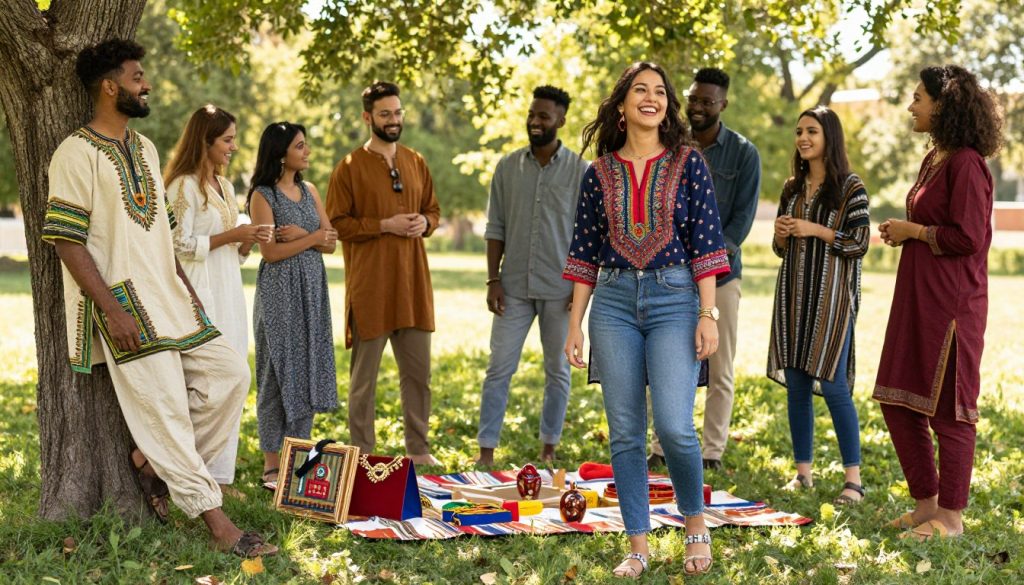
    A vibrant outdoor scene capturing a diverse group of individuals enjoying a sunny weekend, showcasing a variety of ethnic clothing styled for casual wear. In the foreground, a young woman wearing a colorful embroidered kurta with denim jeans, paired with comfortable sandals, is laughing with friends. Beside her, a man in a loose-fitting dashiki and breathable trousers leans casually against a tree. In the middle ground, a small picnic setup with patterned blankets and ethnic accessories like jewelry and bags enhances the cultural vibe. The background features lush greenery and soft sunlight filtering through leaves, creating a warm, inviting atmosphere. The scene conveys joy and community, perfect for a casual weekend outing. Soft, natural lighting accentuates the textures and colors of the clothing.

    Dressing Up for Special Events

    Special events call for more elaborate and traditional ethnic outfits. For weddings or formal gatherings, consider wearing a Sari, Lehenga, or a Sherwani. These outfits are not only culturally significant but also make a statement at any formal event.

    To dress up for special events, follow these tips:

    • Choose rich, vibrant colors and intricate designs.
    • Accessories like heavy jewelry or embroidered clutches can enhance the look.
    • Pay attention to the fabric; silk, velvet, or other luxurious materials can add to the formality.

    By understanding how to style ethnic clothing for different occasions, you can diversify your wardrobe and make a cultural statement. Whether it’s a workplace setting, a casual weekend, or a special event, ethnic wear offers a versatile and stylish option.

    Maintaining Your Ethnic Wardrobe on a Budget

    Ethnic wear, with its intricate designs and diverse fabrics, requires thoughtful care to maintain its beauty and longevity. Proper maintenance not only extends the life of your garments but also ensures they continue to look their best, all while being budget-friendly.

    Washing and Care Instructions for Different Fabrics

    Different fabrics demand different care. For instance, silk and cotton are common materials in ethnic wear, each requiring specific washing instructions. Silk garments should be hand-washed in cold water with a mild detergent, while cotton pieces can usually be machine washed on a gentle cycle.

    For delicate fabrics like chiffon or georgette, hand washing is recommended to prevent damage. It’s also advisable to dry these fabrics naturally, away from direct sunlight, to preserve their color and texture.

    Fabric Type Washing Method Drying Method
    Silk Hand wash in cold water Dry naturally, away from sunlight
    Cotton Machine wash on gentle cycle Can be machine dried on low heat
    Chiffon/Georgette Hand wash gently Dry naturally, away from sunlight

    Storage Solutions to Extend Garment Life

    Proper storage is crucial for maintaining your ethnic wardrobe. Using breathable storage bags or cloth covers can protect your garments from dust and moisture. For items like saris or lehengas, consider hanging them on padded hangers to maintain their shape.

    For folded items, use acid-free tissue paper to separate layers, preventing creases and damage. Store these in a cool, dry place to prevent moisture buildup.

    By following these simple care and storage tips, you can enjoy your ethnic wardrobe for years to come, all while staying within your budget.

    Cultural Appreciation: Wearing Ethnic Styles Respectfully

    As global fashion becomes increasingly interconnected, understanding the cultural significance of ethnic wear is more important than ever. Ethnic styles are not just fashion trends; they are deeply rooted in the history and traditions of various cultures.

    The Cultural Significance of Garments

    Ethnic garments often carry significant cultural, religious, or historical meaning. For instance, the Kimono in Japan is not just a traditional dress but a symbol of cultural heritage and respect for tradition. Similarly, in India, the Sari is a garment that has been worn for centuries, with different regions having their unique ways of draping it, each carrying its own cultural significance.

    Understanding the stories behind these garments is crucial. It’s not just about wearing something beautiful; it’s about respecting the culture it comes from. When wearing ethnic styles, it’s essential to be aware of the garment’s origins and the context in which it is worn.

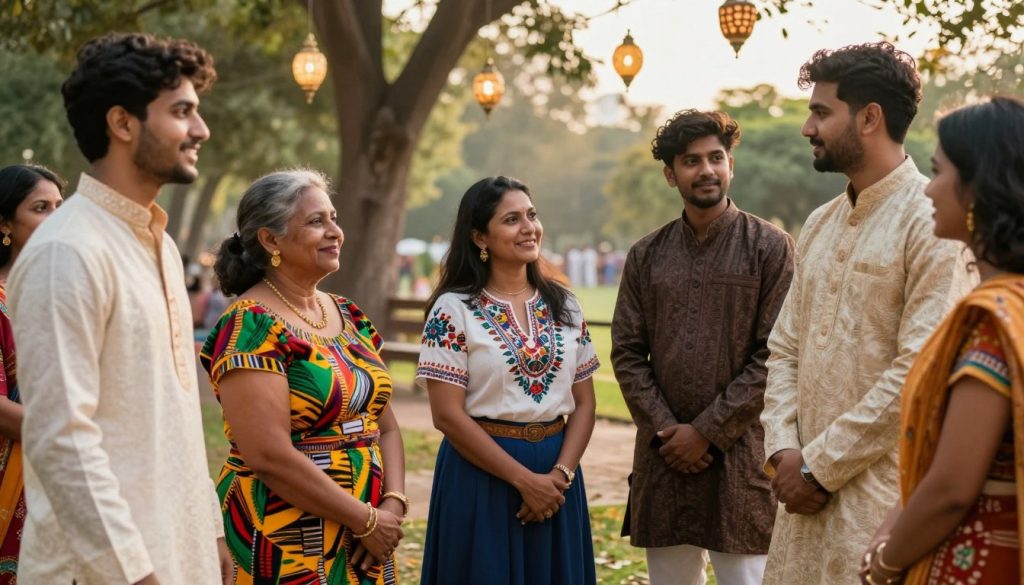
    A diverse group of individuals from various ethnic backgrounds, dressed in vibrant and culturally significant clothing, stands in a sunlit park setting. In the foreground, a middle-aged woman wearing a colorful African kente cloth dress blends seamlessly with a young man donning a traditional Indian kurta, both smiling and engaging in conversation. The middle ground features a respectfully dressed Hispanic woman in a lovely embroidered blouse and a South Asian young adult wearing a stylish sherwani, creating a harmonious interaction. In the background, tall trees and hanging lanterns add a warm and inviting atmosphere. The scene is illuminated by soft, golden-hour lighting, capturing a feeling of cultural appreciation and mutual respect. The composition should evoke a sense of celebration and unity in diversity.

    When and How to Wear Traditional Pieces

    Wearing traditional ethnic pieces can be a wonderful way to appreciate another culture, but it must be done thoughtfully. Consider the occasion and ensure that the garment is appropriate for the event. For example, wearing a Hanbok (traditional Korean attire) to a formal event or a cultural festival is a great way to show appreciation, but wearing it as a casual, everyday outfit without understanding its significance might not be appropriate.

    • Research the garment’s cultural significance.
    • Understand the appropriate occasions for wearing it.
    • Be mindful of how you style the garment, ensuring it respects its traditional context.

    Supporting Authentic Artisans and Businesses

    One of the most meaningful ways to show cultural appreciation is by supporting authentic artisans and businesses that preserve traditional craftsmanship. This not only helps in preserving cultural heritage but also contributes to the economic well-being of the communities involved.

    When shopping for ethnic wear, consider purchasing directly from artisans or businesses that are known for their authentic, handmade products. This approach ensures that the cultural value of the garment is preserved and that the economic benefits reach the right people.

    By being mindful of these aspects, we can enjoy ethnic styles while showing respect and appreciation for the cultures they represent.

    Conclusion

    Incorporating affordable ethnic wear into your daily style can be a great way to enhance your wardrobe while appreciating cultural heritage. By understanding the significance of ethnic clothing and finding budget-friendly options, you can enjoy a more diverse and interesting daily look.

    As you explore ethnic fashion trends, remember to maintain your ethnic wardrobe with care. Proper washing and storage can extend the life of your garments, ensuring you get the most out of your investment. Cultural appreciation is key when wearing ethnic styles; be mindful of the cultural significance behind the garments you wear.

    By embracing affordable ethnic wear and being respectful of its cultural heritage, you can add a unique touch to your daily style. Whether you’re dressing for a casual day out or a special occasion, ethnic fashion offers a wide range of options to suit your needs. Explore local boutiques, online marketplaces, and thrift stores to discover the perfect pieces to enhance your wardrobe.

    FAQ

    What is ethnic clothing, and how can I incorporate it into my daily wardrobe?

    Ethnic clothing refers to traditional attire from various cultures, characterized by unique designs, fabrics, and cultural significance. You can incorporate ethnic elements into your daily outfits by mixing traditional pieces with modern wear, such as pairing a traditional tunic with jeans or a skirt.

    Where can I find affordable ethnic clothing for everyday wear?

    You can find affordable ethnic clothing at online marketplaces, local ethnic boutiques, and thrift stores. Online platforms like Amazon, Etsy, and eBay offer a wide range of ethnic wear at competitive prices. Local boutiques and thrift stores can also be great resources for unique and authentic pieces.

    How do I care for my ethnic clothing to extend its lifespan?

    To care for your ethnic clothing, follow specific washing and care instructions for different fabrics. For example, silk and cotton require gentle washing, while wool and other delicate fabrics may need dry cleaning. Proper storage, such as folding or hanging garments in a cool, dry place, can also help extend their lifespan.

    Can I wear ethnic clothing to formal events, and how do I style it?

    Yes, ethnic clothing can be worn to formal events. To style ethnic wear for formal occasions, consider traditional pieces like sarees, lehengas, or sherwanis. You can also incorporate ethnic elements, such as embroidered fabrics or traditional jewelry, into your outfit to add a touch of cultural richness.

    How can I ensure I’m wearing ethnic styles respectfully?

    To wear ethnic styles respectfully, understand the cultural significance of the garments you’re wearing. Research the history and cultural context behind the clothing, and be mindful of cultural appropriation. Support authentic artisans and businesses, and avoid using cultural symbols or motifs as mere fashion trends.

    What are some essential ethnic clothing pieces for everyday wear?

    Essential ethnic clothing pieces for everyday wear include versatile tops and tunics, comfortable bottoms and skirts, and lightweight dresses and jumpsuits. These pieces can be mixed and matched to create a variety of outfits, from casual to dressy.

    How can I style ethnic clothing for the workplace?

    To style ethnic clothing for the workplace, consider ethnic fusion pieces that blend traditional elements with modern wear. For example, a traditional tunic or kurta can be paired with trousers or a skirt for a professional yet culturally rich look.
  • Traditional Dresses for Festivals & Weddings

    Traditional Dresses for Festivals & Weddings

    What makes a garment truly special for festive occasions? Is it the intricate designs, the vibrant colors, or the cultural heritage it represents? For many, traditional attire is more than just clothing; it’s a connection to their roots and a way to honor their heritage.

    When it comes to festivals and weddings, the right attire can make all the difference. The choice of clothing reflects not only personal style but also respect for the occasion and its cultural significance.

    Key Takeaways

    • Understanding the cultural significance of traditional attire for special occasions.
    • Exploring the role of clothing in representing heritage and personal style.
    • Identifying key elements that make traditional dresses special.
    • Learning how to choose the right attire for festivals and weddings.
    • Appreciating the importance of cultural heritage in fashion choices.

    The Cultural Importance of Ceremonial Attire

    Traditional clothing is more than just fabric; it’s a bridge to our cultural heritage. Ceremonial attire worn during festivals and weddings is imbued with historical significance and symbolic meanings that have been passed down through generations.

    The clothes we wear during these events are not just beautiful garments but also carry deep cultural importance. They represent our identity, values, and traditions.

    Preserving Heritage Through Traditional Clothing

    Traditional clothing plays a crucial role in preserving cultural heritage. By wearing ethnic wedding attire or cultural celebration outfits, individuals connect with their ancestors and cultural roots. This continuity is essential for the preservation of cultural identity.

    The art of making traditional garments is also a significant aspect of cultural heritage. Techniques such as hand-weaving, embroidery, and dyeing are passed down through generations, ensuring the continuation of cultural practices.

    Cultural Practice Significance Examples
    Hand-weaving Preserves traditional textile art Indian saris, African kente cloth
    Embroidery Adds symbolic meanings to garments Chinese cheongsams, Mexican wedding dresses
    Dyeing Creates distinctive colors and patterns Indigo dyeing in African cultures, batik in Southeast Asia

    The Symbolic Language of Festival and Wedding Garments

    Festival and wedding garments are not just aesthetically pleasing; they are also laden with symbolic meanings. For instance, in many cultures, the color of the attire signifies different aspects such as purity, prosperity, or good fortune.

    Understanding the symbolic language of these garments can deepen our appreciation of cultural celebrations. For example, in many Asian cultures, red is a symbol of good luck and prosperity, which is why it’s a common color for wedding attire.

    By wearing cultural celebration outfits that are rich in symbolism, individuals participate in a larger cultural narrative, connecting with their community and heritage.

    Traditional Dresses for Festivals and Weddings Across Cultures

    The world is full of diverse traditional dresses worn during festivals and weddings, reflecting the rich cultural heritage of different communities. These garments are not just beautiful pieces of clothing but also carry significant cultural and symbolic meanings.

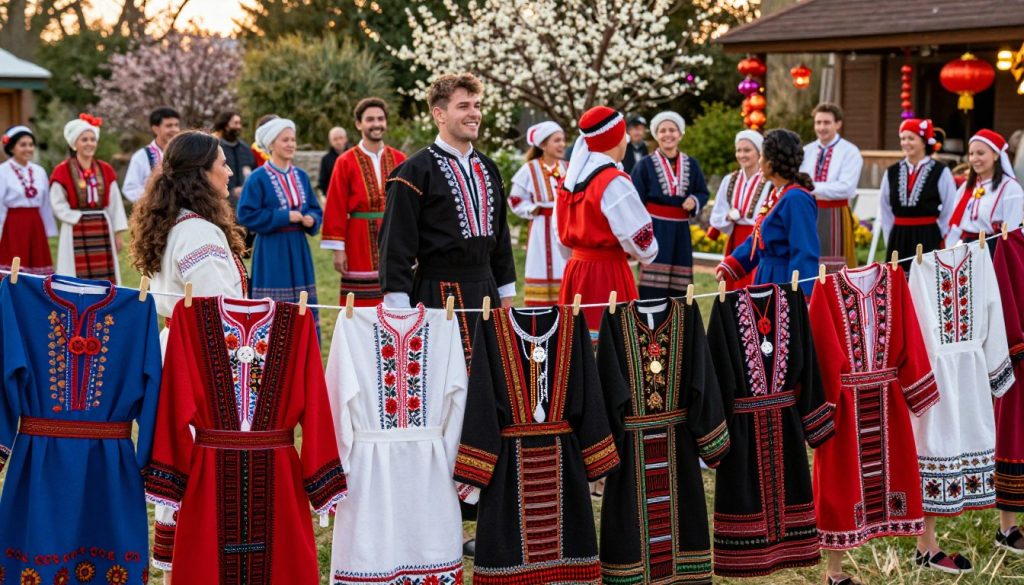
    A vibrant scene showcasing a variety of traditional festival robes from different cultures, elegantly displayed in a rich outdoor setting. In the foreground, diverse garments hang from a clothesline, featuring intricate embroidery, vivid colors, and unique patterns. The middle ground reveals a group of diverse individuals wearing these splendid robes, smiling and engaged in festive activities. They are dressed modestly, reflecting their cultural heritage. In the background, a blooming garden with traditional decorations sets a lively mood. Soft, warm lighting enhances the colors, mimicking early evening sunlight. Capture this colorful array with a medium-angle lens to focus on the details of the fabrics and expressions, evoking a sense of celebration and cultural richness.

    Asian Ceremonial Attire: Saris, Hanboks, and Cheongsams

    In Asia, traditional dresses for festivals and weddings are incredibly varied. For instance, the sari is a staple in Indian weddings, known for its elegance and intricate designs. In contrast, Korean hanboks are worn during significant cultural events, including weddings and the Lunar New Year, symbolizing respect for tradition. Cheongsams, originating from China, are often worn during formal events and are appreciated for their simplicity and grace.

    European Heritage Clothing: Dirndls, Kilts, and Folk Costumes

    Europe is home to a wide range of traditional festival and wedding attire, each with its unique history. Dirndls are worn in Germany and Austria during Oktoberfest celebrations, while kilts are a staple in Scottish weddings and cultural events, symbolizing masculinity and heritage. Folk costumes across Europe, such as those in Greece and Spain, are vibrant and reflect the rich cultural diversity of the continent.

    African and Middle Eastern Celebratory Garments: Kaftans, Dashikis, and Thobes

    In Africa and the Middle East, traditional clothing for festivals and weddings is equally diverse and meaningful. Kaftans are worn in various cultures, including Moroccan and Turkish communities, often during significant celebrations. Dashikis are popular in West Africa, known for their colorful prints and are commonly worn during cultural events. Thobes, worn by men in the Middle East and North Africa, are simple yet dignified garments for formal occasions.

    How to Select the Perfect Traditional Outfit for Your Event

    The art of choosing the perfect traditional outfit for a cultural celebration or wedding involves more than just picking a pretty dress; it’s about honoring heritage and tradition. When selecting cultural event garments or ethnic bridal wear, several factors come into play to ensure you make a respectful and stylish choice.

    Matching Attire to Festival Type and Season

    The type of festival and the season in which it takes place are crucial factors in choosing the right traditional outfit. For instance, lighter fabrics and brighter colors are often preferred for spring and summer festivals, while richer, heavier fabrics are more suitable for winter celebrations.

    Navigating Cultural Protocols and Etiquette

    Understanding cultural protocols and etiquette is vital when selecting traditional attire. Researching the specific customs and dress codes associated with the event can help you avoid unintended offense and show respect for the culture.

    Body Type Considerations for Traditional Silhouettes

    Just like modern fashion, traditional silhouettes can be more or less flattering depending on your body type. For example, A-line dresses and skirts often complement a variety of body types, while tailored, fitted garments can accentuate certain features.

    Body Type Recommended Traditional Silhouette Avoid
    Petite A-line dresses, Empire waist gowns Overly voluminous or heavy garments
    Tall and Slender Fitted, tailored garments, long skirts Oversized or too loose clothing
    Curvy Balanced silhouettes, wrap dresses Too tight or revealing outfits

    By considering these factors and doing a bit of research, you can select a traditional outfit that not only makes you look great but also shows respect for the cultural heritage of the event you’re attending.

    Step-by-Step Guide to Assembling Festival Attire

    Creating an authentic festival look requires a thoughtful approach to color, fabric, and embellishments. Assembling traditional festival attire is not just about wearing beautiful clothes; it’s about respecting and understanding the cultural significance behind the garments.

    Decoding Color Symbolism for Different Celebrations

    Colors play a crucial role in traditional festival attire, often symbolizing specific themes or emotions. For instance, red is commonly associated with prosperity and good fortune in many Asian cultures, while white is often linked to purity and innocence in Western wedding traditions. When choosing your festival outfit, consider the symbolism behind different colors to ensure your attire is both appropriate and meaningful.

    Choosing Fabrics for Comfort and Authenticity

    The choice of fabric is vital for both comfort and authenticity. Traditional fabrics such as silk, cotton, and linen are popular choices for festival attire due to their breathability and natural feel. For example, silk is often used in traditional Asian garments like cheongsams and saris, while cotton and linen are commonly used in folk costumes across Europe.

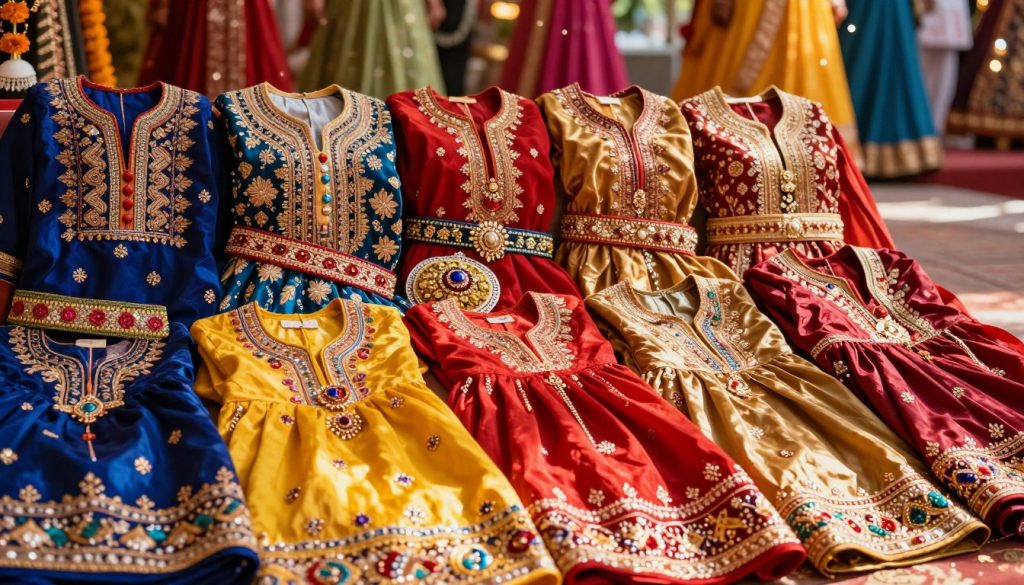
    A vibrant display of traditional festival attire, showcasing a variety of colorful garments meticulously arranged. In the foreground, a selection of richly embroidered garments, such as silk sarees and ornate tunics, with intricate patterns and vibrant hues of red, gold, and blue. Additionally, beautifully crafted accessories like decorative belts and jewelry are scattered around, emphasizing cultural significance. The background features a softly blurred festive setting, with colorful decorations and ambient lighting that evokes a celebratory atmosphere. Natural sunlight filters through, creating warm highlights on the fabrics. The overall mood is joyful and festive, capturing the essence of traditional celebrations. The scene is shot at eye level using a standard lens, allowing for a clear focus on the attire and accessories without any distractions.

    Incorporating Traditional Embellishments and Patterns

    Embellishments and patterns can elevate your festival attire from simple to stunning. Traditional embellishments include intricate embroidery, beading, and sequins, which are often used to adorn garments like kaftans, dashikis, and thobes. When incorporating these elements, consider the cultural context and significance of the patterns and motifs to ensure your outfit is respectful and authentic.

    Some key elements to consider when assembling your festival attire include:

    • Understanding the cultural significance of colors and symbols
    • Selecting fabrics that are both comfortable and authentic
    • Incorporating traditional embellishments and patterns thoughtfully

    By following these steps, you can create a festival look that is not only beautiful but also respectful of cultural traditions.

    Mastering Traditional Wedding Attire Selection

    Selecting traditional wedding attire is not just about aesthetics; it’s also about respecting and honoring cultural traditions. With the rich tapestry of global cultures, understanding the nuances of ethnic wedding attire can be both fascinating and challenging.

    Understanding Cultural Wedding Dress Codes

    Cultural wedding dress codes are deeply rooted in tradition and symbolism. For instance, in many Asian cultures, the color red is auspicious, symbolizing good luck and prosperity. In contrast, white is a traditional color for brides in many Western cultures, signifying purity and innocence. Understanding these codes is crucial for choosing appropriate cultural celebration outfits.

    Selecting Bridal and Groom Attire: A Practical Guide

    When selecting traditional wedding attire for the bride and groom, several factors come into play. Consider the wedding’s cultural context, the formality of the event, and personal preferences. For example, a bride opting for a traditional Indian sari might choose intricate embroidery and vibrant colors, while a groom might wear a sherwani with complementary embellishments.

    • Research the cultural significance of different attire.
    • Consider the season and venue when choosing fabrics and colors.
    • Ensure the attire complements the wedding’s overall aesthetic.

    Family and Guest Dress Protocols Across Cultures

    Family and guest dress protocols vary significantly across cultures. In some cultures, guests are expected to dress modestly, while in others, more flamboyant attire is encouraged. For instance, at a traditional African wedding, guests might be encouraged to wear bright, colorful clothing that reflects the celebratory nature of the event. Understanding these protocols helps ensure respect for the hosts and a harmonious celebration.

    By mastering the art of selecting traditional wedding attire, couples and their families can enhance the cultural richness of their wedding celebrations, creating memorable experiences that honor their heritage.

    Where to Find Authentic Traditional Clothing in the United States

    From cultural shopping districts to online marketplaces, the U.S. offers a wide range of options for those looking for traditional festival robes and ceremonial dress for weddings. Whether you’re preparing for a cultural celebration or a traditional wedding, finding authentic attire is crucial for fully embracing the cultural heritage.

    Specialized Boutiques and Cultural Shopping Districts

    Many cities in the United States have specialized boutiques and cultural shopping districts that offer a variety of traditional clothing. For example, areas like Chinatown in New York or San Francisco, Little India in New Jersey, or Mexican markets in Los Angeles provide a rich selection of authentic garments. These districts are not only great places to find traditional attire but also offer an immersive cultural experience.

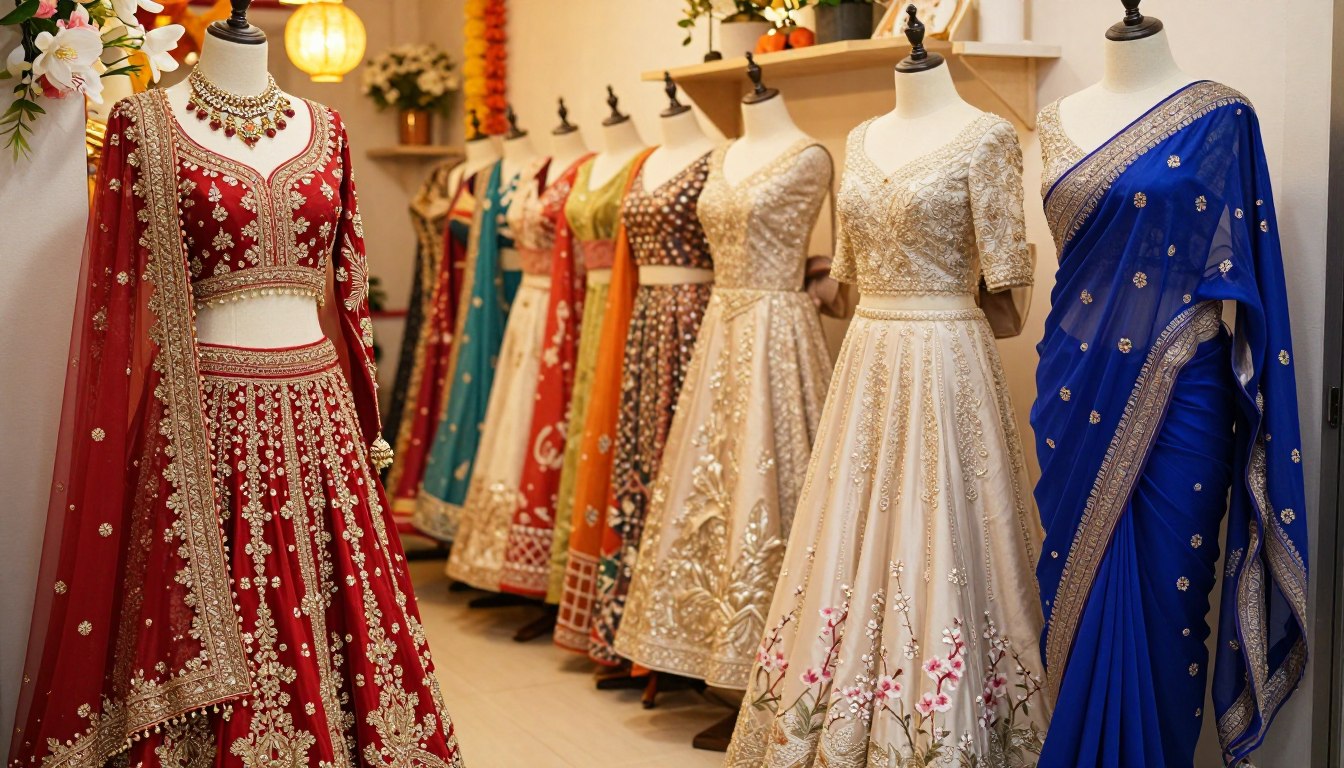
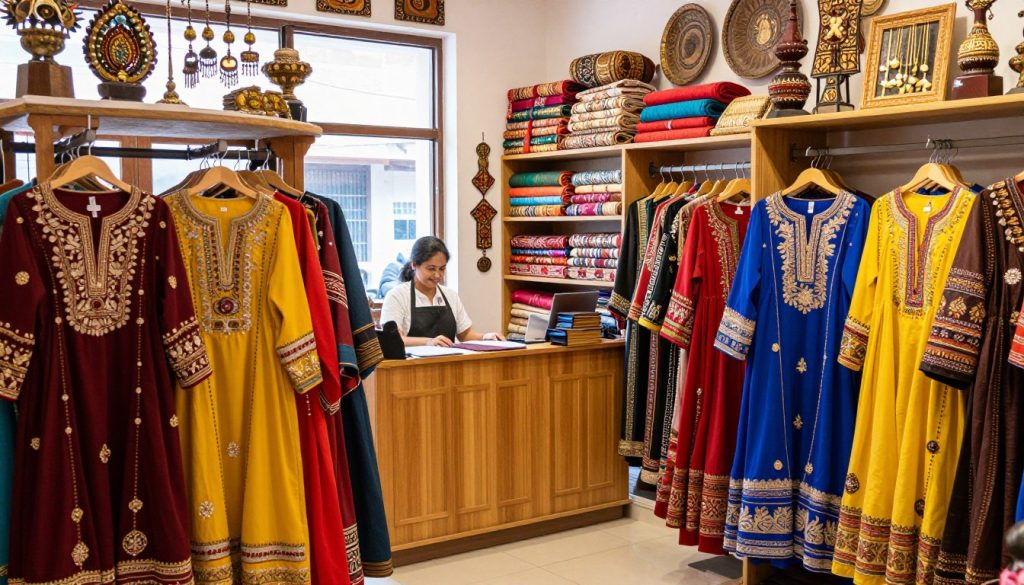
    A vibrant traditional clothing store interior, featuring an array of cultural garments displayed on elegant wooden racks. In the foreground, richly embroidered dresses and intricate accessories hang, showcasing a variety of colors such as deep reds, bright yellows, and elegant blues, while traditional ornaments embellish the space. In the middle, a warm, inviting counter with a friendly shopkeeper in professional attire is visible, engaging with customers. The background reveals shelves adorned with beautiful fabric rolls and decorative textiles, bathed in soft, natural lighting from large windows, casting gentle shadows. The atmosphere is lively and welcoming, enticing visitors to explore and celebrate the beauty of traditional attires for festivals and weddings. The composition highlights both the authenticity and vibrancy of cultural clothing in a traditional retail setting.

    Online Marketplaces for Authentic Traditional Garments

    The internet has made it easier than ever to find authentic traditional clothing. Online marketplaces such as Etsy, eBay, and specialized cultural stores offer a vast array of traditional garments. These platforms allow you to browse through numerous options from the comfort of your home, making it easier to find the perfect attire for your needs.

    Rental Options and Custom Tailoring Services

    For those who may not wish to purchase traditional attire or need a more bespoke fit, rental options and custom tailoring services are available. Many stores offer rental services for traditional garments, especially for weddings and major festivals. Additionally, custom tailoring services can create outfits tailored to your specific needs, ensuring a perfect fit and authenticity.

    By exploring these options, individuals can find the perfect traditional clothing for their events, ensuring they honor their cultural heritage with dignity and style.

    Conclusion: Celebrating Heritage Through Thoughtful Dress Selection

    Celebrating cultural heritage through traditional attire is a meaningful way to connect with one’s roots and honor time-honored customs. Whether attending a vibrant festival or participating in a traditional wedding, selecting the right cultural event garments is crucial.

    Understanding the significance of ethnic bridal wear and festive occasion clothing can elevate the overall experience, allowing individuals to fully immerse themselves in the cultural context. By choosing attire that respects and reflects the heritage of the occasion, participants can foster a deeper appreciation for the traditions being celebrated.

    As we navigate the diverse world of traditional clothing, it’s clear that thoughtful dress selection plays a vital role in preserving cultural identity. By embracing the rich tapestry of global customs and attire, we can promote cross-cultural understanding and celebrate the beauty of heritage.

    FAQ

    What are the most popular traditional dresses for festivals and weddings?

    The most popular traditional dresses for festivals and weddings vary across cultures, but some examples include saris, hanboks, cheongsams, dirndls, kilts, kaftans, dashikis, and thobes. These garments are often worn to celebrate cultural heritage and are an integral part of festive and wedding attire.

    How do I choose the right traditional outfit for a wedding or festival?

    To choose the right traditional outfit, consider the type of festival or wedding, the season, and cultural protocols. You should also think about your body type and how it will be flattered by traditional silhouettes. Understanding color symbolism and selecting fabrics for comfort and authenticity are also crucial.

    What is the significance of traditional clothing in different cultures?

    Traditional clothing preserves heritage and conveys symbolic meanings that are unique to each culture. In many cultures, traditional garments are worn during festivals and weddings to signify respect, unity, and celebration. Understanding the cultural significance of these clothes can help you appreciate their beauty and importance.

    Where can I find authentic traditional clothing in the United States?

    You can find authentic traditional clothing in the United States at specialized boutiques, cultural shopping districts, and online marketplaces. Additionally, consider rental options and custom tailoring services to find the perfect traditional attire for your event.

    How do I incorporate traditional embellishments and patterns into my outfit?

    To incorporate traditional embellishments and patterns, research the cultural significance of different motifs and designs. You can then work with a tailor or designer to incorporate these elements into your outfit, ensuring that your attire is both authentic and beautiful.

    What are some common mistakes to avoid when wearing traditional attire?

    Common mistakes to avoid include not understanding cultural protocols, choosing attire that is not suitable for the occasion, and neglecting to consider your body type. It’s also essential to be mindful of cultural sensitivities and avoid appropriating traditional garments without proper understanding or respect.

    Can I customize traditional attire to fit my personal style?

    Yes, you can customize traditional attire to fit your personal style while still respecting cultural heritage. Work with a tailor or designer who understands the cultural significance of the garments and can help you create a unique, authentic outfit that reflects your personality.

    How do I care for traditional garments to ensure they last?

    To care for traditional garments, follow the specific cleaning and storage instructions for the fabric. Many traditional garments are made from delicate materials that require gentle handling. Consider consulting a professional cleaner or conservator for guidance on preserving your traditional attire.
  • Ethnic Wear for Women: Online Shopping Made Easy

    Ethnic Wear for Women: Online Shopping Made Easy

    Are you tired of scouring local stores for the perfect traditional outfit? With the rise of e-commerce, shopping for ethnic wear has never been easier. You can now browse a vast array of traditional Indian clothing from the comfort of your home.

    The convenience of online shopping allows you to discover new styles, compare prices, and read reviews from other customers before making a purchase. This has revolutionized the way women shop for ethnic wear, making it a seamless and enjoyable experience.

    Key Takeaways

    • Convenient access to a wide range of traditional Indian clothing online
    • Ability to compare prices and read reviews from other customers
    • Discover new styles and trends in ethnic wear for women
    • Seamless online shopping experience
    • Easy returns and exchanges

    Discover the Rich Variety of Ethnic Wear for Women

    Ethnic fashion is not just about clothing; it’s about embracing a rich cultural heritage. The diversity in ethnic wear for women is vast, ranging from traditional attire to contemporary fusion styles, all of which can be easily explored through an ethnic fashion online store.

    Ethnic wear encompasses a broad spectrum of clothing styles, each with its unique history and cultural significance. Whether you’re looking for traditional Indian attire or modern fusion wear, there’s something for every woman.

    Traditional Indian Sarees, Salwar Kameez, and Lehengas

    Indian ethnic wear is renowned for its vibrant colors and intricate designs. Traditional options like sarees, salwar kameez, and lehengas are staples for many women. These outfits are not only beautiful but also carry significant cultural value. You can find a vast collection of Indian dresses for women online on various websites.

    Type of Clothing Description Occasions
    Sarees Long piece of fabric draped around the body Weddings, Festivals
    Salwar Kameez Three-piece outfit including a long tunic, pants, and scarf Casual, Formal events
    Lehengas Long skirt paired with a blouse and scarf Weddings, Cultural events

    Pakistani and Middle Eastern Ethnic Fashion Styles

    Pakistani and Middle Eastern ethnic wear is known for its opulence and grandeur. Styles like abayas and kaftans are popular for their elegance and comfort. Visiting a women’s ethnic clothing website can provide access to a wide range of these styles.

    These styles often feature intricate embroidery and luxurious fabrics, making them perfect for special occasions.

    Contemporary Fusion Ethnic Wear Trends

    Contemporary fusion ethnic wear blends traditional elements with modern styles, creating a unique and stylish look. This trend is popular among younger generations who want to stay connected to their heritage while embracing modern fashion.

    Examples include fusion sarees with modern blouses and lehengas with contemporary twists in design.

    Master Ethnic Wear for Women Online Shopping: A Step-by-Step Guide

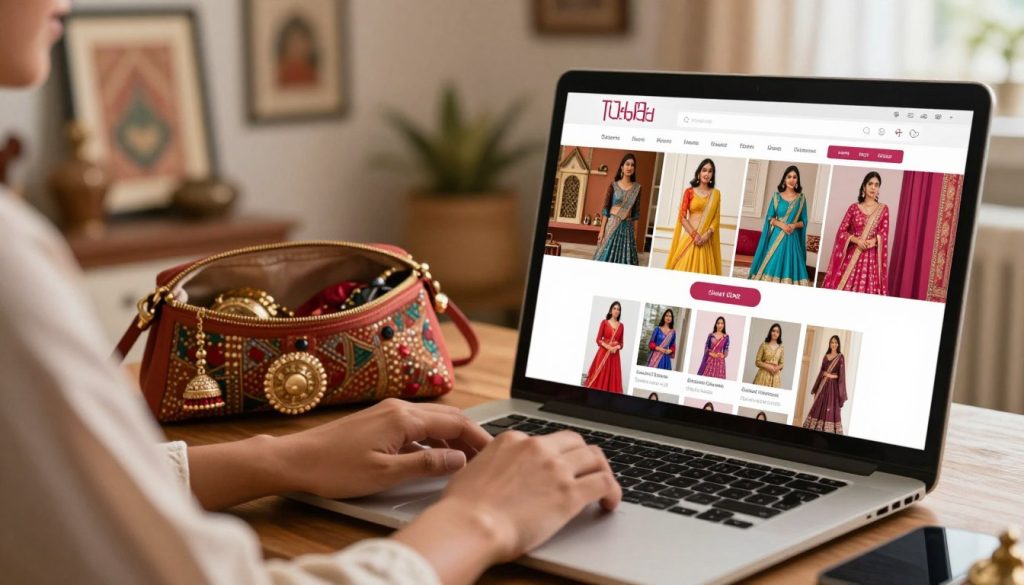
    Navigating the online market for ethnic wear requires a strategic approach to find the perfect outfit. With numerous options available, it’s easy to feel overwhelmed. However, by following a few simple steps, you can ensure a successful and satisfying online shopping experience.

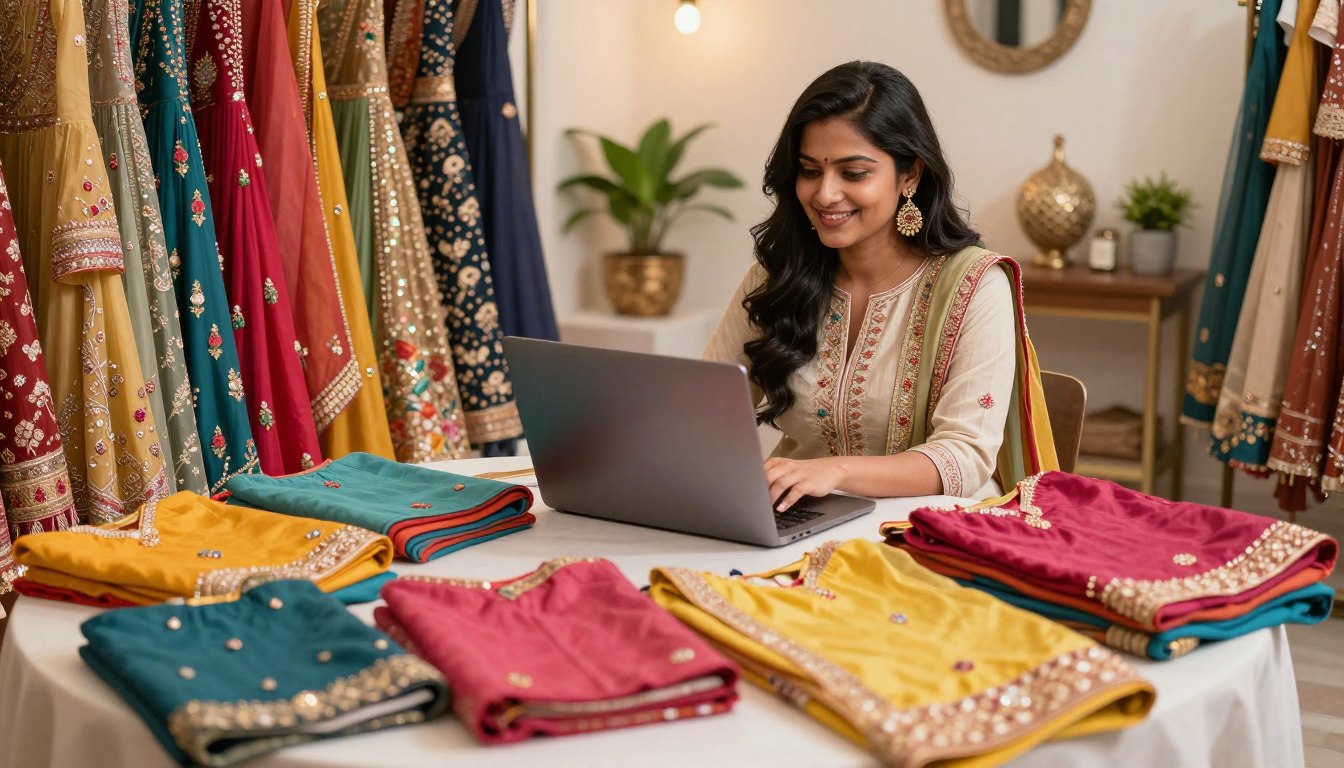
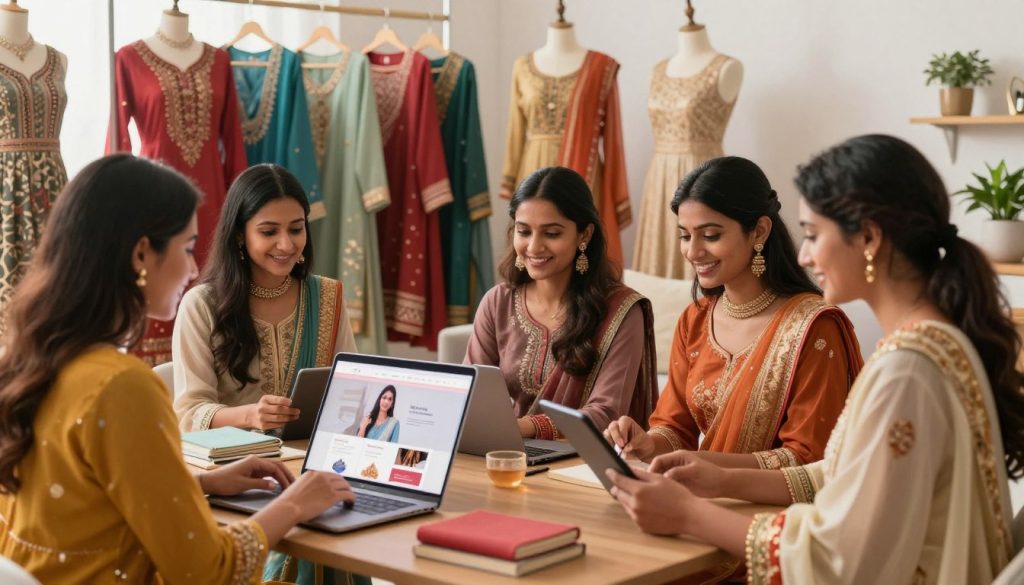
    A vibrant online shopping scene depicting the essence of ethnic wear for women. In the foreground, a diverse group of women, dressed in elegant traditional outfits such as sarees and salwar kameez, are engaged in browsing a beautifully designed website on laptops and tablets. The middle ground features an array of colorful ethnic garments hanging on mannequins, showcasing intricate patterns and rich fabrics. The background is a softly lit, modern home setting with subtle decor elements like cushions and plants, creating a warm and inviting atmosphere. The lighting is bright yet soft, highlighting the details of the clothing while maintaining a welcoming mood. The camera angle focuses on the joyful interaction among the women, emphasizing the ease of online shopping for ethnic wear.

    How to Find Reliable Ethnic Fashion Online Stores

    Finding a reliable online store is the first step in buying ethnic wear online. Look for stores that have a strong reputation, indicated by positive customer reviews and ratings. You can also check for certifications or affiliations with reputable fashion organizations. A reliable store will have a clear and detailed return policy, as well as a secure payment system.

    When searching for a women’s ethnic wear online boutique, consider the variety of products they offer. A good online boutique should have a diverse collection of ethnic wear, including traditional and contemporary designs. You can also check if they provide detailed product descriptions, including fabric, size, and color information.

    Decoding Size Charts and Taking Accurate Measurements

    To avoid sizing issues when buying ethnic wear online, it’s crucial to understand how to decode size charts and take accurate measurements. Start by familiarizing yourself with the size chart provided by the online store. Take your measurements using a flexible measuring tape, noting down your bust, waist, and hip measurements.

    Compare your measurements with the size chart to determine your size. Keep in mind that different stores may have varying size charts, so it’s essential to check the chart for each store. You can also look for stores that offer customization options or made-to-measure services for a perfect fit.

    Evaluating Product Quality Through Photos and Reviews

    When shopping online, product photos and customer reviews are invaluable resources. Look for high-quality product images that show the ethnic wear from multiple angles. Check if the photos are taken against a plain background to get a clear view of the product.

    Customer reviews can provide insights into the product’s quality, fabric, and fit. Look for reviews that mention the product’s material, comfort, and durability. You can also check the overall rating given by customers to get an idea of the product’s quality.

    By following these steps, you can confidently buy ethnic wear online and enjoy a satisfying shopping experience. Remember to stay informed, be patient, and have fun exploring the world of ethnic fashion.

    How to Select the Perfect Ethnic Outfit for Any Occasion

    The key to making a stunning impression at any occasion lies in selecting the right ethnic outfit. With the vast array of options available through ethnic wear for ladies online shopping, it’s easier than ever to find the perfect ensemble.

    When choosing an ethnic outfit, several factors come into play, including the type of occasion, the season, and your personal style. Understanding these elements can help you make an informed decision and ensure that you look and feel great.

    Choosing the Right Fabrics for Different Seasons and Events

    The fabric of your ethnic wear plays a crucial role in your overall comfort and the outfit’s suitability for the occasion. For instance, lightweight fabrics like cotton and silk are ideal for summer weddings, while heavier fabrics such as velvet are more suitable for winter events.

    For summer: Opt for breathable fabrics that keep you cool and comfortable. Cotton, linen, and lightweight silks are excellent choices.

    For winter: Thicker fabrics like wool, velvet, and heavy silk provide warmth and are perfect for colder climates.

    Selecting Flattering Colors and Patterns for Your Body Type

    Colors and patterns can greatly impact how an outfit looks on you. Certain hues and designs can flatter your body type, making you look more radiant and confident.

    • For petite frames, avoid overly heavy patterns and bright colors that can overwhelm your figure. Instead, opt for lighter shades and simpler designs.
    • Taller or curvier figures can pull off bolder patterns and brighter colors, making a statement at any occasion.

    Accessorizing Your Ethnic Wear: Jewelry and Footwear Guide

    Accessories can make or break an outfit. The right jewelry and footwear can elevate your trendy ethnic clothing for women, adding a touch of elegance and sophistication.

    For jewelry, consider the neckline of your outfit. For instance, a statement necklace can complement a simple neckline, while a delicate necklace is better suited for higher necklines.

    Footwear should be chosen based on comfort and the formality of the occasion. Traditional options like juttis and mojari are perfect for ethnic wear, offering both style and comfort.

    By considering these factors and making informed choices, you can select the perfect ethnic outfit for any occasion, ensuring you look stylish and feel confident.

    Navigate the Checkout Process with Confidence

    To ensure a smooth transaction when buying Indian dresses for women online, it’s essential to navigate the checkout process with confidence. This final step in online shopping requires attention to detail and a clear understanding of the process.

    When shopping on a women’s ethnic clothing website, creating an account can simplify the checkout process. This allows you to save your information for future purchases and track your orders.

    Creating Accounts and Using Wishlist Features Effectively

    Creating an account on your preferred online store enables you to use features like wishlists, which help you keep track of items you’re interested in purchasing. This feature is particularly useful for comparing different products and prices.

    A cozy, inviting online shopping checkout scene that captures the essence of ethnic wear for women. In the foreground, a computer screen displays a vibrant, user-friendly checkout page filled with colorful ethnic clothing selections, like sarees and lehengas. A hand, dressed in modest casual attire, is poised over the keyboard, ready to complete the purchase. The middle ground features a laptop and an open purse with traditional accessories peeking out, enhancing the ethnic theme. The background is softly blurred, featuring a warm, well-lit home environment with decorative elements like traditional artwork and textiles, creating a comfortable atmosphere. Warm lighting emphasizes a sense of ease and confidence in the shopping experience, inviting viewers into the world of online ethnic fashion.

    Comparing Prices and Finding the Best Deals

    Comparing prices across different online stores is crucial for finding the best deals on ethnic wear. Look for websites that offer price comparisons or discounts on bulk purchases.

    Secure Payment Methods and Understanding Return Policies

    When completing your purchase, ensure that you’re using a secure payment method. Understand the return policies of the online store in case you need to return or exchange an item.

    By following these guidelines, you can confidently complete your online purchase and enjoy your new ethnic clothing.

    Conclusion: Embracing Ethnic Fashion in the Digital Age

    The world of ethnic wear for women has never been more accessible, with online shopping revolutionizing the way we experience traditional fashion. By shopping at an ethnic fashion online store, women can now explore a vast array of styles from the comfort of their own homes.

    Ethnic wear for women online shopping has made it possible to discover new trends, compare prices, and find the perfect outfit for any occasion. With the guidance provided in this article, readers can confidently navigate the online shopping process, from finding reliable stores to understanding return policies.

    As the digital landscape continues to evolve, embracing ethnic fashion online has become a seamless and enjoyable experience. Whether you’re looking for traditional Indian sarees or contemporary fusion wear, the online world offers a wealth of options to suit every taste and preference.

    By leveraging the convenience and variety offered by ethnic fashion online stores, women can stay connected to their cultural heritage while expressing their individuality through fashion. Explore the world of ethnic wear online and discover the beauty of traditional fashion reimagined for the modern woman.

    FAQ

    What is ethnic wear for women, and how can I shop for it online?

    Ethnic wear for women refers to traditional clothing inspired by various cultures, such as Indian, Pakistani, and Middle Eastern styles. You can shop for ethnic wear online by visiting reputable websites that specialize in ethnic fashion, such as online stores that offer a wide range of traditional clothing.

    How do I choose the right size when buying ethnic wear online?

    To choose the right size, refer to the size chart provided by the online store, and take your measurements accurately. You can also read reviews from other customers to get an idea of the fit.

    What are the different types of ethnic wear available online?

    You can find a variety of ethnic wear online, including traditional Indian sarees, salwar kameez, lehengas, Pakistani and Middle Eastern styles, and contemporary fusion wear.

    How can I ensure the quality of the ethnic wear I’m buying online?

    To ensure quality, look for online stores that provide high-quality product photos, detailed product descriptions, and customer reviews. You can also check the fabric and material used to make the garment.

    Can I return or exchange ethnic wear if it doesn’t fit or meet my expectations?

    Yes, most online stores have a return and exchange policy. Check the store’s policy before making a purchase, and ensure you understand the process for returning or exchanging items.

    How do I accessorize my ethnic wear for a complete look?

    You can accessorize your ethnic wear with jewelry, such as bangles, earrings, and necklaces, and footwear like juttis or mojdis. Choose accessories that complement the color and style of your outfit.

    Are there any online stores that offer trendy ethnic clothing for women?

    Yes, many online stores specialize in trendy ethnic clothing for women, offering a range of contemporary fusion wear and traditional styles with a modern twist.

    How can I buy ethnic wear online securely?

    To buy ethnic wear online securely, look for online stores with secure payment methods, such as credit card or PayPal, and ensure the website has a valid SSL certificate.

    Can I find ethnic wear for special occasions, such as weddings or festivals?

    Yes, many online stores offer a range of ethnic wear for special occasions, including weddings, festivals, and other cultural events. You can find traditional clothing, such as lehengas and sarees, as well as contemporary fusion wear.